


Can there be too much transparency at the board level?
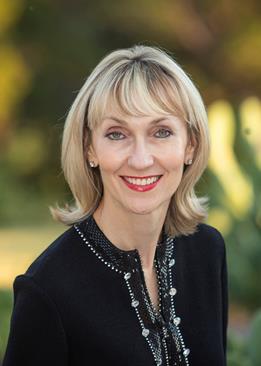
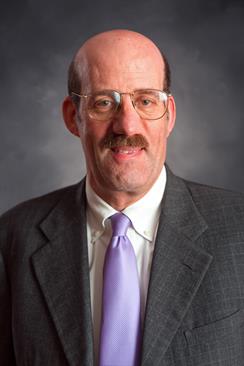
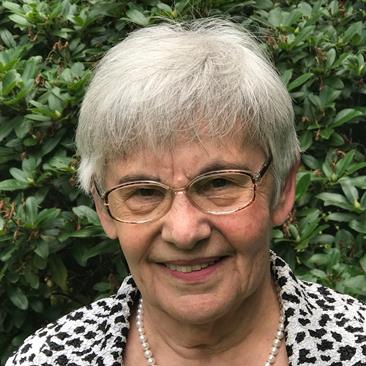
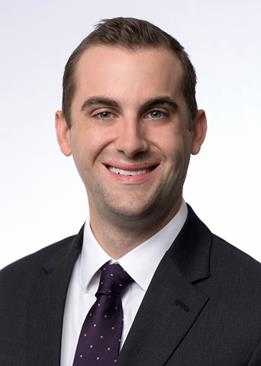
The disruption of the pandemic gave rise to many challenges. Included among them is balancing the optimism that is required in opera with the transparency appropriate for good governance. Who is responsible for striking this balance and maintaining a steady and responsible flow of information between staff and trustees? To explore this question, OPERA America’s president and CEO, Marc A. Scorca, spoke with four executive trustees: Susanne Tetzlaff, an attorney and board chair at Austin Opera; Mark C. Gordon, a professor of law at Mitchell Hamline Law School and board chair at Minnesota Opera; Rose-Marie Klipstein, a community volunteer and board president at Finger Lakes Opera; and T. Brooks Proctor, an attorney and vice president of the board at Opera Birmingham.
What follows is a transcript of those conversations, edited as a single conversation for length and clarity.
Marc Scorca: I so appreciate all of you taking the time to speak with me. To get us started, could you describe the responsibility of the board in stewarding opera companies through these difficult times?
Rose-Marie Klipstein: I firmly believe that the health of an organization depends on the relationship between the staff, especially the general director, and the board. Last season, Finger Lakes Opera staged its first Aida, and our ticket sales last season were better than at any time before. But the truth is they don’t cover enough of our expenses, and we encountered some unexpected costs.
As board chair, I have to be realistic about what we can accomplish in order to not jeopardize our well-being, even if that means disappointing our donors and our audiences by cutting back. And that can be very difficult for our artistic team to hear.
And how do you reconcile some board members to some of those occasional disappointments
Rose-Marie Klipstein: Well, I also believe in preparing the board for any decisions that need to be made. I outline and say, “Look, if you want to do a particular opera, come up with your proposals and we’ll discuss them.”
Brooks Proctor: Exactly. What has worked for us has been being really open and transparent with the entire board about our current situation and then having forward-looking discussions with board members and with the general director and staff about where we want to be.
I’m hearing that transparency is key, but how you frame the situation also matters a great deal when bringing the board along.
Susanne Tetzlaff: Yes, that’s a good way of putting it. Personally, it’s in my nature to see the glass as half full, though my kids would probably laugh because that’s not always how I am at home! I think it’s important as board members to keep the morale positive and to remember that these challenges are not going to be the end of Austin Opera. I can’t go out and fundraise and reach out to my friends and business colleagues with a defeated spirit. We have to be publicly optimistic but still acknowledge and talk about the challenges we’re facing.
And for board leaders to be transparent with other members, that means executive leadership must be transparent with board leadership, correct?
Rose-Marie Klipstein: Exactly. There are no secrets between our executive director, Elizabeth Long, and myself. Everything is right there. That’s really important for organizational trust.
Is there such a thing as too much transparency in the boardroom?
Brooks Proctor: Well, again, one of the challenges that I find that a lot of companies express is the balance beam between being completely transparent and honest about the challenges and maintaining morale. Not everyone needs to be told all of the dark and dirty secrets, but we’ve found that having some really open conversations has helped people feel empowered to rise to the current challenges.
We are also intentional about board meetings and even one-on-one meetings with board members and staff, letting everyone talk about how they’re perceiving what’s going on and how they think we should react. This can prevent people from feeling like they’re being steamrolled during meetings.
We can all appreciate that balance. Now, I’d like to ask — has the role of the board evolved during the turmoil of recent years?
Mark Gordon: Arts institutions are facing real challenges — that’s no secret. As board members, we have to ask ourselves: “What is the kind of board that would be most helpful? What kind of board does the institution need us to be?” Currently, I think the extent to which the board should be generating ideas for the institution is changing. I see this is a time when every institution wants as many ideas as possible, and when I look around the board table, I see a wealth of experience and insights.
Still, there’s a clear dividing line between management running the institution and the board’s fiduciary oversight, so we’ve been discussing ideas about alternative streams of revenue and how to appropriately present them without undercutting management. Frankly, it’s my job as board chair to vet and take those ideas to our general director, recognizing that many ideas we have may have already been considered by management. But I see my role as making sure that we are helping seed the clouds.
So, idea generation is perhaps even more important than before. What else has struck you during these years of churn?
Brooks Proctor: We’re currently exploring the question of how the board can be more nimble and adapt with the organization, especially when we’re changing ways of thinking and processes that have been in place for a long time. Part of that is recognizing that being successful can mean different things at different times. That’s meant exploring avenues “A,” “B,” and “C” instead of just “A,” maybe. Now, we discuss pros and cons for each option and even option “D” at times. There’s more willingness to try new things rather than everyone throwing up their hands and panicking.
Susanne Tetzlaff: I’d add that attaching specific action items to ideas can help the board to feel engaged and committed. In Austin, for example, the board itself has formed a task force that is going to be working with and trying to connect with other arts organizations to be a united force in appealing to the city and city council. That’s a big action step we’re taking, building more unity with other arts organizations to help carry us forward.
And what about building camaraderie and culture among board members?
Rose-Marie Klipstein: Meeting outside of the boardroom is important, I think. I have organized celebratory lunches for the board to get together on a social basis, separate from board meetings, so that we feel we know each other, we can support each other. Also at every meeting, we try to emphasize why it is that we exist to stay mission-driven, which can also really unite members.
Mark Gordon: Retreats and meetings outside the boardroom are key for building good relationships and trust. To encourage these relationships, a board officer suggested that we start naming a board member to play the role of devil’s advocate during meetings, to challenge assumptions and ideas during meetings, which creates a culture where it’s easier for management to bring up challenging news in meetings.
I’m intrigued by this idea of a culture of healthy debate.
Mark Gordon: Right, and discussing challenges and risks can spur the kind of creativity I mentioned earlier. Plus, I actually think that if every vote is unanimous, we’re probably voting on the wrong stuff.
Susanne Tetzlaff: I’d add that giving people an opportunity to get together outside of board meetings to flesh things out and give us some historical perspective is important — board meetings would be five hours long if everybody weighed in all the time! Getting people’s ideas is important, as is getting historical perspective. But at the end of the day, we have a fiduciary duty. We have to be good stewards.
So, Susanne, as a steward, are you optimistic, then?
Susanne Tetzlaff: I am. This art form has been around for centuries. I can’t stop believing the pendulum will swing back, and that we are going to pull through this period of economic uncertainty. And in the meantime, the companies and boards that are able to pivot and respond in real time are going to be able to survive just fine. We’re not raiding our endowment or anything so dramatic. Brick by brick, we will regain ground.
This article was published in the Winter 2024 issue of Opera America Magazine.