OPERA America's National Opera Center is a communal home for opera and the performing arts in New York City. Make it your place for recitals, rehearsals, recordings, and more.
Learn More & Rent Now
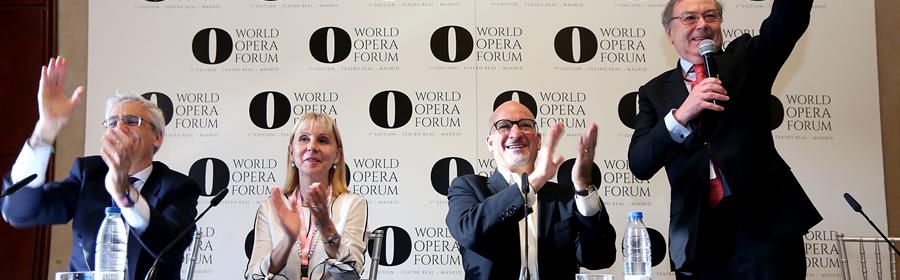
The 2018 World Opera Forum in Madrid, with Ignacio García-Belenguer, general director of the Teatro Real; María Victoria Alcaraz, general director of the Teatro Colón; Marc A. Scorca, president/CEO of OPERA America (photo: Teatro Real)
There is a time for practical solutions and a time for more existential pondering. This summer in Los Angeles, the opera community — both the national and international opera communities — will have the opportunity to engage in both kinds of discussions, beginning with the second-ever World Opera Forum from June 3–5 and continuing with Opera Conference 2024 from June 5–8.
Organized by OPERA America and its partner organizations Opera Europa, Ópera Latinoamérica, and the Association for Opera in Canada, the World Opera Forum will bring together thought leaders, company administrators, artists, and trustees for a three-day series of conversations about opera’s evolving role in the 21st century. “We all produce operas, but we do it in very different ways,” says Opera Europa’s general manager, Audrey Jungers, who was present at the first-ever World Opera Forum in 2018 in Madrid and is actively involved in planning this second, 2024 forum. “Both OPERA America and Opera Europa have practical conferences and forums where our members get into solutions, but at the international level, it can be incredibly enriching to simply discuss the differences in the challenges facing different companies around the globe,” she says.
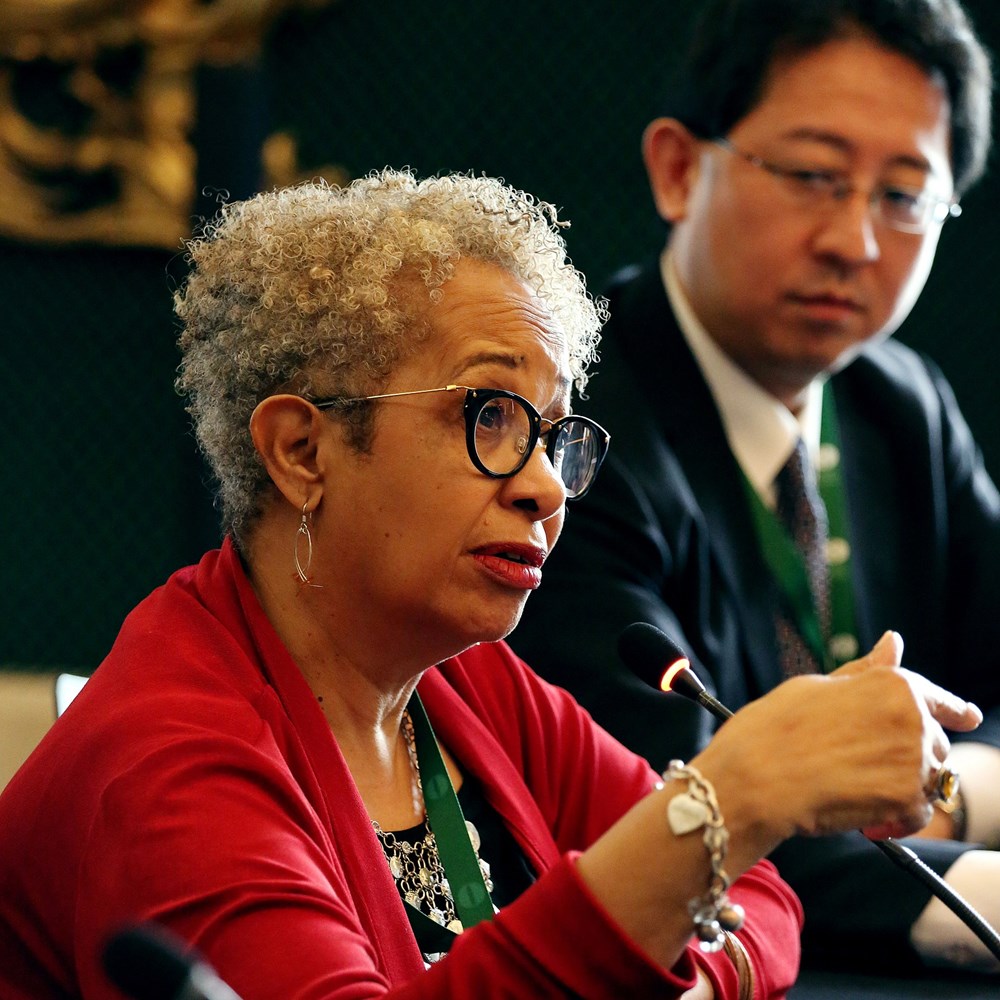
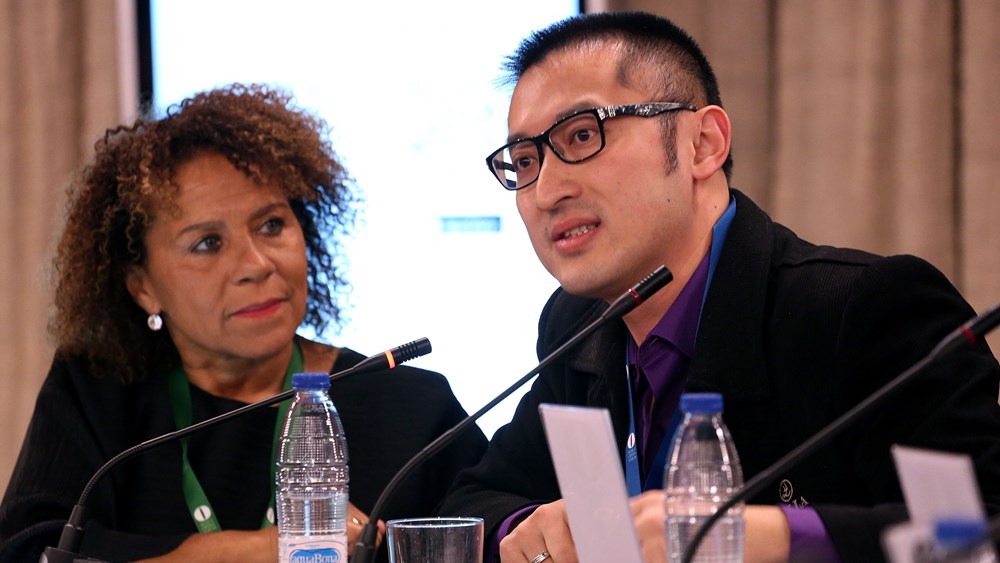
Keryl McCord of Equity Quotient and Tsuyoshi Yamaguchi of the Tokyo Nikikai Opera Foundation at the 2018 forum (photo: Teatro Real)
The 2024 forum will host 60 invited delegates from six continents participating as panelists, moderators, and rapporteurs, and others are invited to attend. New to this year will be an interactive app that will allow non-delegate attendees to engage with the discussion by submitting questions or comments to the moderators in real time. The opening session on June 3 begins with a challenge: How does one make a case for the value of opera today? This will lead into the first of three discussion sessions. On June 4, “What We Produce, How We Produce It, and For Whom,” will be a space for investigating the intersection between new and inherited repertoire and exploring contemporary thinking on the value of historical works.
“The forum has a very different feel compared to the Opera Conference,” says Christopher Hahn, general director of Pittsburgh Opera and a delegate at the 2018 forum. “This is the space for the big philosophical things, the existential questions.” Hahn explains that tackling such large-scale questions involved a mix of large “provocation” panels and smaller breakout discussions, with different delegates grouped together by background or interest. Delegates were later invited to report back to the room as a whole. “It was quite mixed up in those breakouts,” he says. “We interacted with people from all areas geographically and all disciplines — it was really very intriguing and worthwhile.”
Chi-chi Nwanoku, founder of the Chineke! Orchestra, and composer Huang Ruo at the 2018 World Opera Forum (photo: Teatro Real)
The forum’s second discussion, “Elevating Human Values,” will spotlight the well-being of the artists and artisans who make the opera possible, inquiring how companies might break free from traditional industry models and be better caretakers of the people involved in creating the art form. “I believe that art can generate community,” says Alejandra Martí, executive director of Ópera Latinoamérica. “The community in turn generates social cohesion, and that cohesion gives peace. And peace facilitates democracies.” She adds that centering human values in all aspects of the creative process would be key in advocating for opera’s value moving forward.
The third discussion, “Becoming Engaged Cultural Citizens,” takes place on the morning of June 5. It will address several complex questions about opera’s role in civic life: In the face of war, migration, climate change, cultural and economic inequities, and political polarization, how can opera expand its mission beyond the narrow purview of the arts? How can the demands of producing opera be integrated into a larger commitment to addressing varied and changing civic priorities? Can the aesthetics of public service be appreciated equally with the aesthetics of production and performance? Do expanded civic responsibilities require changes in organizational missions? “Thinking globally, we must bear in mind that theaters and opera houses are community spaces and agents of change that generate greater social cohesion in our countries,” Martí says. Finally, the forum will wrap on the afternoon of June 5 with a concluding discussion and the launch of Opera Conference 2024, which, as usual, will focus more narrowly on the North American opera field.
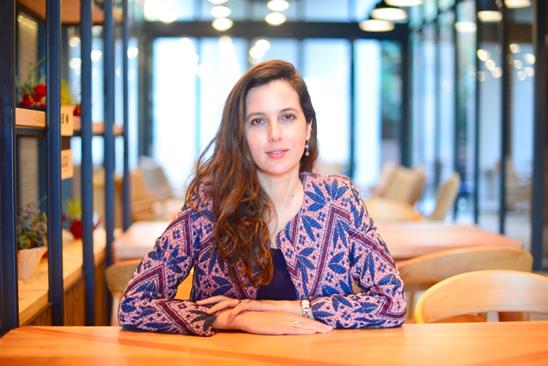
Alejandra Martí
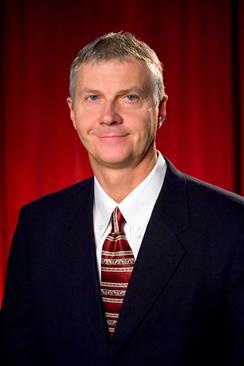
Christopher Hahn
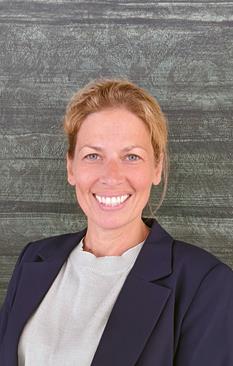
Audrey Jungers
“There was a discovery at the previous forum that there could be common threads across the world despite the preconception that everyone was facing different challenges,” says Hahn. He and Jungers both acknowledged that there is mutual envy in both directions across the Atlantic regarding funding models, but that neither public support in Europe nor private support in the U.S. is necessarily a given at this time. Companies around the world share the need to convince funders of opera’s value. Then again, “the U.S. has been great at creating their own repertoire, and I think Europe is a little envious of this sort of national repertoire,” Jungers says.
Above all, the opportunity to network and connect with professionals from around the globe remains a central pillar of the World Opera Forum. It’s a chance for artists, administrators, trustees, and thought leaders to share in the challenges and triumphs of the art form and to trade anecdotes at the highest level. “For the Latin American community, it is relevant to be seen as a continent of new creation, innovation, and new talents, for example,” Martí says.
“This is an international art form that is wildly sought after, despite all the doom and gloom,” Hahn says. “That’s really key to remember right now.”